
NARS1 verstehen: Wie Hefe helfen kann, die Geheimnisse der NARS1-Störung zu lüften
Wenn es darum geht, seltene genetische Erkrankungen wie die NARS1-Störung zu verstehen, bringt uns jede neue Forschungsarbeit den Antworten und hoffentlich eines Tages den Behandlungen einen Schritt näher.
Eine aktuelle Studie von Professor Antony Antonellis’ Labor unter der Leitung von Sheila Peeples hat einen spannenden Schritt nach vorne gemacht. Auch wenn es ungewöhnlich klingen mag, verwendet dieses Werk Hefe (ja, die gleiche Sorte, die beim Backen verwendet wird!) um Wissenschaftlern zu helfen, zu verstehen, wie sich Veränderungen im NARS1-Gen auf den Körper auswirken.
Warum Hefe studieren?
Es mag seltsam erscheinen, dass uns etwas so Winziges wie Hefe etwas über eine menschliche Erkrankung lehren könnte. Tatsächlich weist Hefe jedoch viele Ähnlichkeiten mit unseren eigenen Zellen auf und wächst schnell, was sie ideal für die Untersuchung der Funktionsweise von Genen macht.
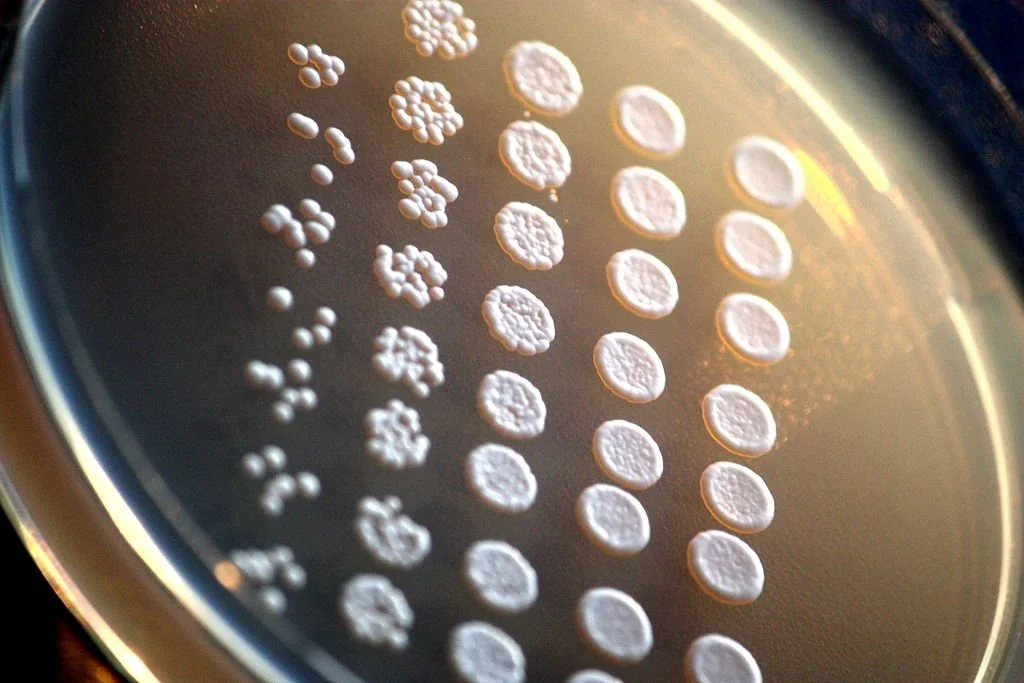
Tropfeninokulation von Labormutanten der Bäckerhefe (Saccharomyces cerevisiae) auf einer Agarplatte. Von Rainis Venta (Eigenes Werk) [CC BY-SA 3.0], über Wikimedia Commons
_agariplaadil..JPG)
In dieser Studie wollten die Forscher sehen, was passiert, wenn das NARS1-Gen nicht so funktioniert, wie es sollte. Das NARS1-Gen produziert ein Protein, das für das Leben essentiell ist. Wenn dieses Gen bei Hefen, wie auch beim Menschen, entfernt wird, kann die Hefe nicht überleben.
Wissenschaftler können die Hefe jedoch “retten”, indem sie eine menschliche Version des NARS1-Gens hinzufügen, sodass sie wieder leben und wachsen kann. Dieser clevere Ansatz bedeutet, dass sie verschiedene austauschen können Varianten (oder Mutationen) des menschlichen NARS1-Gens, um zu sehen, wie sich jedes einzelne auf die Überlebensfähigkeit der Hefe auswirkt.
Wenn die Hefe normal wächst, scheint die Variante keinen Schaden anzurichten. Wenn sich das Wachstum jedoch verlangsamt oder stoppt, deutet dies darauf hin, dass die Variante die Funktion des NARS1-Proteins schädigt, was Wissenschaftler als bezeichnen Funktionsverlust.
Was die Forschung untersuchte
Es gibt verschiedene Arten von NARS1-Varianten, die gesundheitliche Probleme verursachen können.
Einige Ursachen NARS1-Störung, was die Entwicklung und das Gehirn beeinträchtigen kann. Andere verursachen eine andere Erkrankung namens Charcot-Marie-Tooth-Krankheit (CMT), was tendenziell die Nerven in Händen und Füßen beeinträchtigt und zu Muskelschwäche, hochgewölbten Füßen und verminderter Empfindung führt.
Obwohl beide Erkrankungen durch Varianten desselben Gens verursacht werden, sind die Symptome und ihre Schwere sehr unterschiedlich.
In dieser Studie verglich das Team mehrere NARS1-Varianten, darunter solche, die sowohl mit der NARS1-Störung als auch mit CMT in Zusammenhang stehen, um zu verstehen, wie sich jede einzelne auf die Aktivität des Gens auswirkt.
Was die Forschung herausgefunden hat
Die Ergebnisse waren eindeutig und stimmen mit früheren Untersuchungen überein:
Funktionsverlust (LOF): Sechs der sieben getesteten Varianten (sowohl NARS1-Störung als auch CMT) führten dazu, dass die Hefe Probleme hatte und schlecht wuchs. Dies bestätigte, dass die Varianten eine Verlust der NARS1-Aktivität.
Dominant-Negativer Effekt: Als die Forscher einen gesunden NARS1 Kopie mit einer mutierten Kopie, das gesunde Gen konnte dies nicht kompensieren. Die mutierte Kopie war dominant, was bedeutet, dass es aktiv in das gesunde NARS1-Protein eingriff. Das nennen Wissenschaftler a Dominant-negativer Effekt.
Der Schweregrad ist wichtig: Entscheidend ist, dass die Varianten, die die NARS1-Störung verursachen, eine größer negative (toxische) Wirkung auf die Hefe als die Varianten, die CMT verursachen. Dies deutet auf einen direkten Zusammenhang hin: Je größer der Verlust der NARS1-Aktivität ist, desto schwerwiegender ist der Krankheitsverlauf.
Warum ist diese Forschung für NARS1-Familien wichtig?
Diese Studie stellt einen großen Fortschritt dar Pflege „ Veränderung wir streben danach.
1. Wir haben eine stärkere Grundlage: Die Wissenschaft wird stärker, wenn verschiedene Labore mit unterschiedlichen Modellen dieselben Ergebnisse erzielen. Diese Forschung bestätigt, was eine frühere Studie nahelegte: Wir verfügen nun über einen unabhängigen, konsolidierten Beweis des Mechanismus der NARS1-Störung. Diese solide Grundlage ist von entscheidender Bedeutung, wenn wir klinische Studien starten wollen.
2. Wir haben ein neues Tool zum Testen von Behandlungen: Hefe ist ein hochwirksames Modell für Arzneimitteltests, Wissenschaftler nennen sie „medikamentös“ Da es den Forschern gelang, die Schwere der Erkrankung bei Hefepilzen nachzubilden, verfügen sie nun über ein schnelles, zugängliches Modell, mit dem sie potenzielle Medikamente wie Asparagin testen können. Dieses Modell bringt uns der Suche nach einem Behandlungsweg näher, bevor wir in komplexere, teurere Modelle investieren.
Was passiert als nächstes?
Diese Studie ist die zielgerichtete Grundlage für die nächste Welle von Entdeckungen. Das Modell des Antonellis-Labors ist heute ein leistungsstarker Ausgangspunkt.
Unsere nächsten Schritte, gemeinsam mit unseren Forschungspartnern, sind:
Übertragen Sie diese Erkenntnisse auf komplexere Modelle, darunter menschliche Zelllinien und schließlich ganze Organismen wie Mäuse.
Testen Sie mögliche Therapien, um zu sehen, ob wir die NARS1-Funktion wiederherstellen und den dominant-negativen Effekt umkehren können.
Wir setzen uns für die Forschung ein Dadurch wird dieser Fahrplan vom Labor bis zu den Behandlungen erstellt. Jede Familie, die unsere Mission unterstützt, hilft beim Aufbau dieses Fahrplans.